

LSU Health Shreveport Expands Rural Residency Program Across North Louisiana
March 16, 2026
As many as 44 of Louisiana’s 64 parishes are designated as rural. All but one (West Baton Rouge) are also designated by the Louisiana Department of Health as having less than adequate access to healthcare. This is something LSU Health Shreveport’s rural residency program is working to address, graduating dozens of rural doctors from its clinical site in Vivian, Louisiana, a small town about an hour’s drive north of Shreveport in Caddo Parish.
Now, LSU Health Shreveport is expanding its successful program across north Louisiana. Partnering with Franklin Medical Center and Ochsner LSU Health Monroe, the program will place its first residents in the small town of Winnsboro this summer.
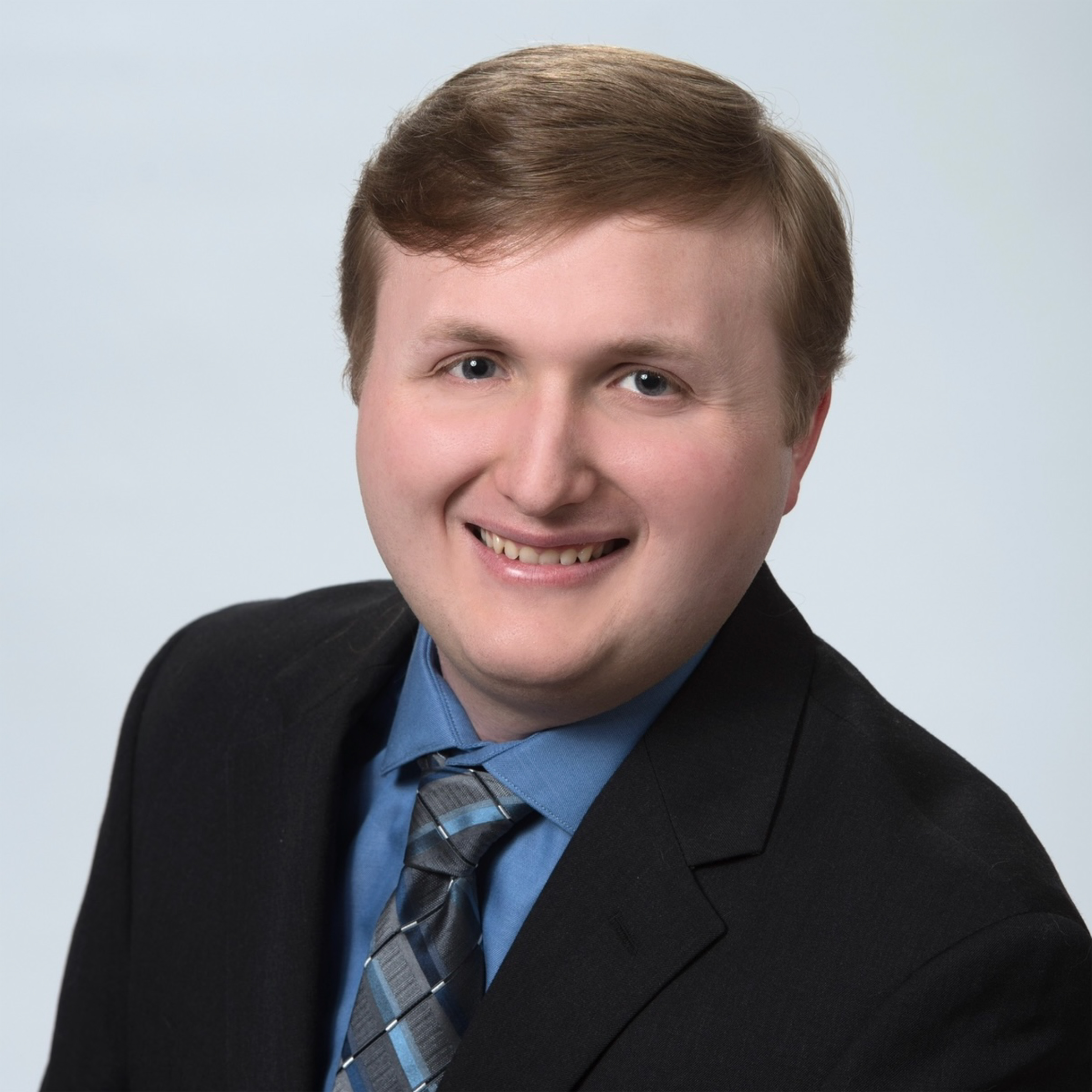
Dr. Christian Bonner, LSU Health Shreveport graduate bound for Winnsboro for his rural residency this summer.
“I’m incredibly excited about this program,” said Dr. Christian Bonner, one of the rural residents and LSU Health Shreveport graduates bound for Winnsboro. “Rural Louisiana is a great place to train. You get to serve so many patients, do so much, treat more complex cases, and that gives you a bit of an advantage compared to training in a major city.”
The logic of the rural residency program in Winnsboro is the same as in Vivian, which both have populations of a few thousand while serving communities who live up to an hour or two away: If you train doctors in rural Louisiana, they’re more likely to stay. As many as six out of the seven family medicine physicians who work at North Caddo Medical Center, the clinical training site in Vivian, graduated from LSU’s rural residency program.
“It’s the best way to keep them,” said Dr. Logan Atkins, site director of the new rural residency program in Winnsboro. “It’s also the best way to prepare the doctors you need at a smaller hospital. Rural physicians, by necessity, need to be versatile and creative to meet the needs of the community. It takes a desire for a certain type of challenge.”
“At a larger medical center, I can consult if I want to; I’ve got an army of case managers at my disposal to help me meet patients’ social needs; I’ve got people ready to jump in and help with any aspect of the patient’s care, and that’s easier for me, jobwise,” Dr. Atkins continued. “Here in Franklin Parish, there are days when I have to be someone’s social worker, psychologist, priest—sort of everything at once. If they have a cardiology problem, well, I’m the cardiologist today. So read up! There’s a surprise waiting behind almost every door.”
Dr. Atkins describes Winnsboro as a “meat and potatoes and rice kind of place.” Dr. Bonner agrees, and he would know, since he grew up there.
“It’s just rural Louisiana,” Dr. Bonner said. “Very, very sweet people who will smile at you, speak to you. But it’s small. You can be from one end of town to the other in less than five minutes.”
Dr. Atkins is from nearby Crowville.
“Not many are familiar with Crowville,” Dr. Atkins said. “It’s teeny tiny. There’s one caution light, a gas station, a couple of churches. I don’t think I’ve ever been able to find a population estimate.”
“Well, it’s bigger than Baskin,” Dr. Bonner said, having recently served a patient from there.
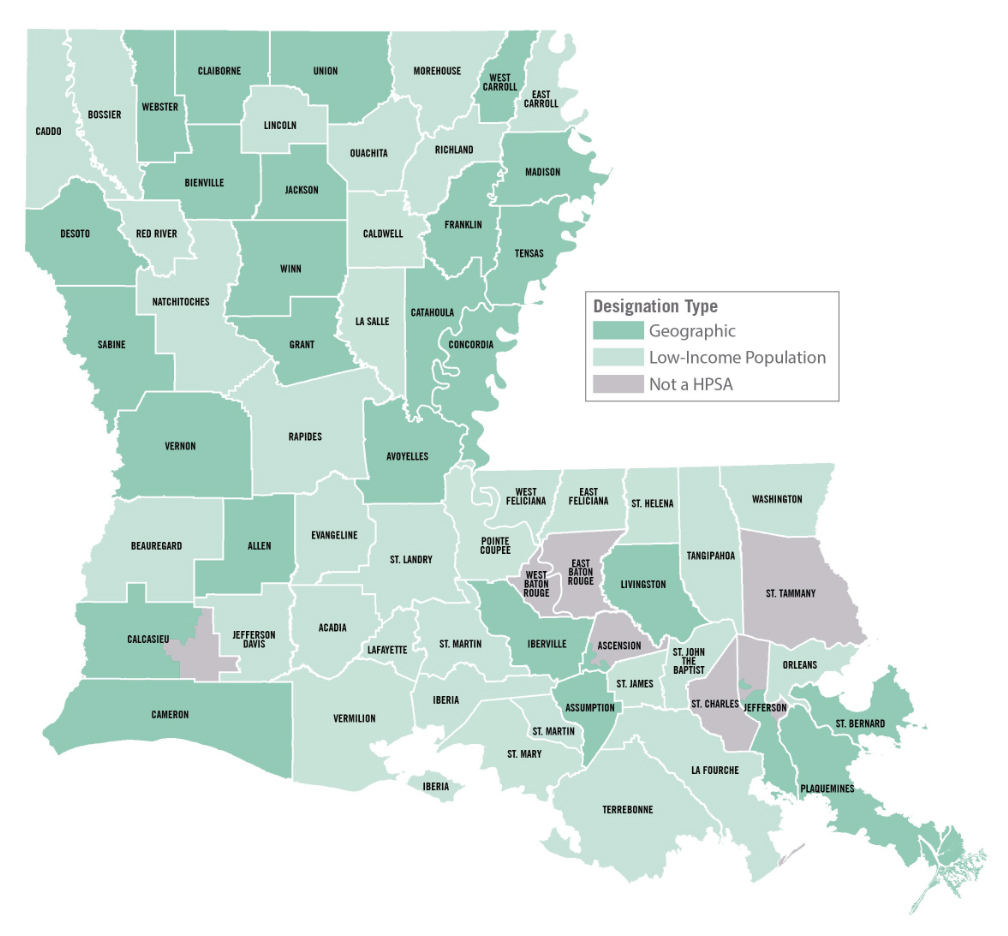
As many as 44 of Louisiana’s 64 parishes are designated as rural, and 73% of Louisiana residents live in a primary care Health Professional Shortage Area (HPSA), as designated by the Health Resources & Services Administration.
Dr. Bonner graduated from the LSU Health Shreveport’s medical school in May last year and has since been working at Ochsner LSU Health Monroe. The rural residency program is a total of three years, where the first year is spent at a major medical center (either Ochsner LSU Health Shreveport or Ochsner LSU Health Monroe) and the last two years at a rural hospital. In Vivian, it’s the North Caddo Medical Center. In Winnsboro, Franklin Medical Center.
“You know when you read something in a textbook in school, and you’re like, there’s no way I’m ever going to see this?” Dr. Bonner said. “Then, literally my first day here, I got to see some of that stuff. And that’s the beauty of working in rural Louisiana. I get into situations where I can be creative and inventive, and come up with new ways to help patients.”
Primarily, Dr. Bonner looks forward to serving the community he grew up in for the next two years and beyond.
“It’s cliched to say, but I’m here to help people, and these are my people—very loving, very caring, who will do anything in the world for you,” Dr. Bonner said. “For me, going through this rural residency program is all about giving back, and that’s ultimately what made me pick family medicine as a career. When I looked back at my community, they really needed a primary care doctor. Therefore, I’m not going to have a patient walk through my door and tell them, ‘I can’t help you because I’m this specialist and you’ve got to see this other specialist.’”
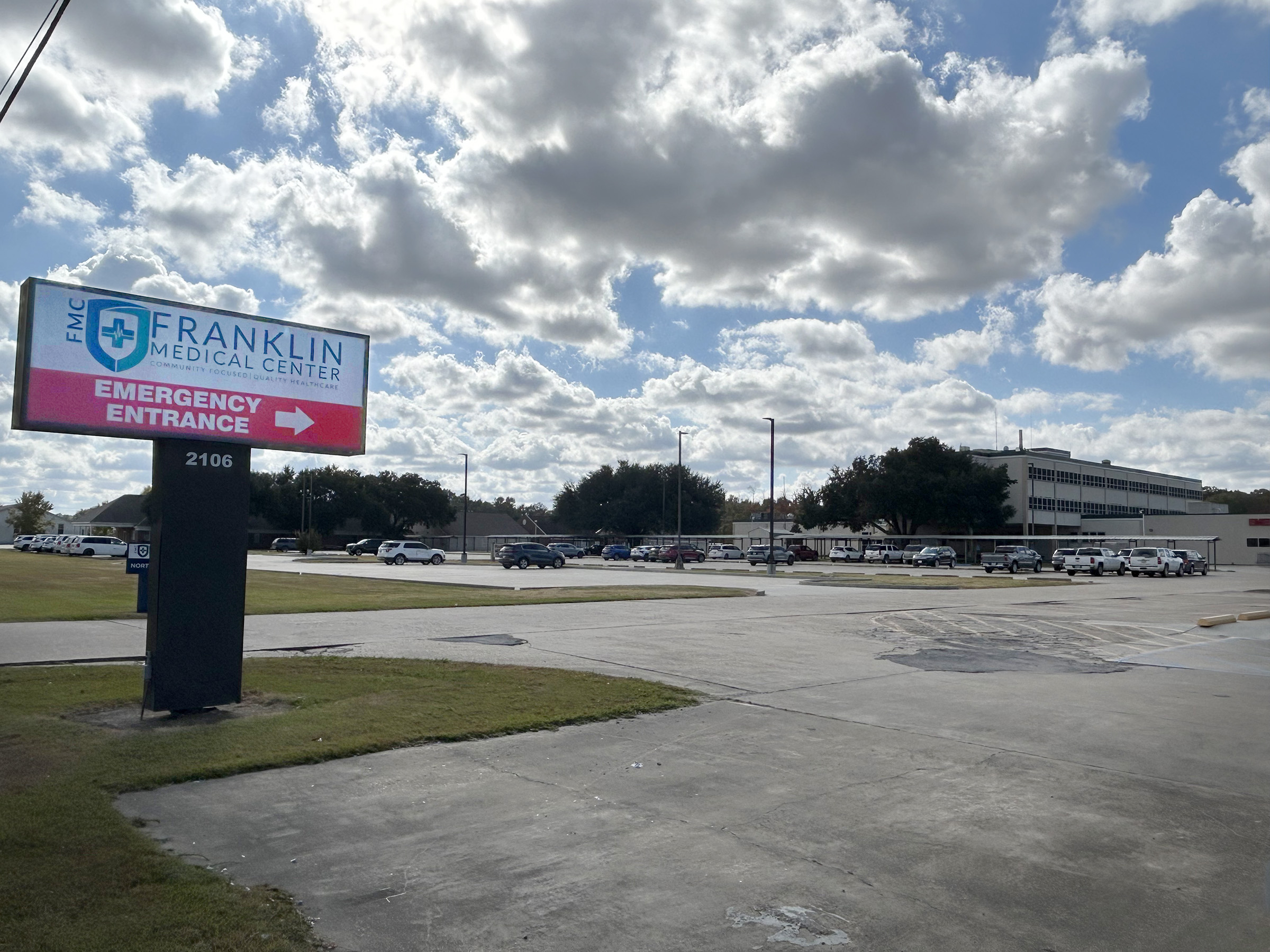
SU Health Shreveport’s rural residency program can now place newly graduated medical doctors at one of two medical centers: North Caddo Medical Center in Vivian, which is a 25-bed critical access hospital with two operating rooms, two labor and delivery suites, and approximately 7,000 emergency department visits annually; or Franklin Medical Center in Winnsboro, a 39-bed hospital with two operating rooms, one endoscopy suite, and around 9,000 emergency department visits per year..
Franklin Medical Center serves everyone.
“We’re a Medicaid and Medicare-dependent hospital—a lot of people come to us because they don’t have anywhere else to go that takes their insurance,” Dr. Atkins said. “That’s one reason we have to remain vigilant whenever we hear about funding cuts that will really hurt rural health centers and hospitals.”
Meanwhile, Franklin Medical Center offers a wide range of services.
“We have general surgery, orthopedics, urology. We have an endocrinologist and an oncology group and a dialysis machine. We’re certainly not a Band-Aid station, which is a misconception we were fighting for a while,” Dr. Atkins said. “Most of our patients don’t even want to go anywhere else, so it’s been wonderful to see this rural residency program come to fruition to help strengthen our services. Our patients deserve doctors who are committed to and live in the community. Not a revolving door of people who fly in from wherever from a staffing company. That’s why we’re thrilled to be working with LSU. We were immediately on board when they approached us.”