
Geology and Geophysics
Join the continuous journey of excellence for the next 100 years!
Founded in 1922, the LSU Department of Geology and Geophysics has developed into a comprehensive program for teaching and research in the earth sciences. With the longest continuously running camp in the US and a leading role in preserving Louisiana’s coastline, the department remains a magnet for top faculty and students. In the past century, it awarded over 850 graduate degrees (MS and PhD) and approximately three times as many BS degrees.
In 2022, at our centennial gala, the College of Science launched the “Second Century,” aiming to raise $2 million for LSU Geology & Geophysics. Join the continuous journey of excellence for the next 100 years with robust community support! Contribute to the success of our students through our three priority areas.
40+
Faculty & Instructors
100+
Students seeking a Geology and Geophysics degree
60+
Graduate Students & Postdocs
Why Geology?
Exploring Earth’s Systems
Discover why the science behind Earth’s systems—powered by geoscientists solving global challenges from natural hazards to resource sustainability—may be the most essential field shaping our planet’s future.
In the News
Featured Research
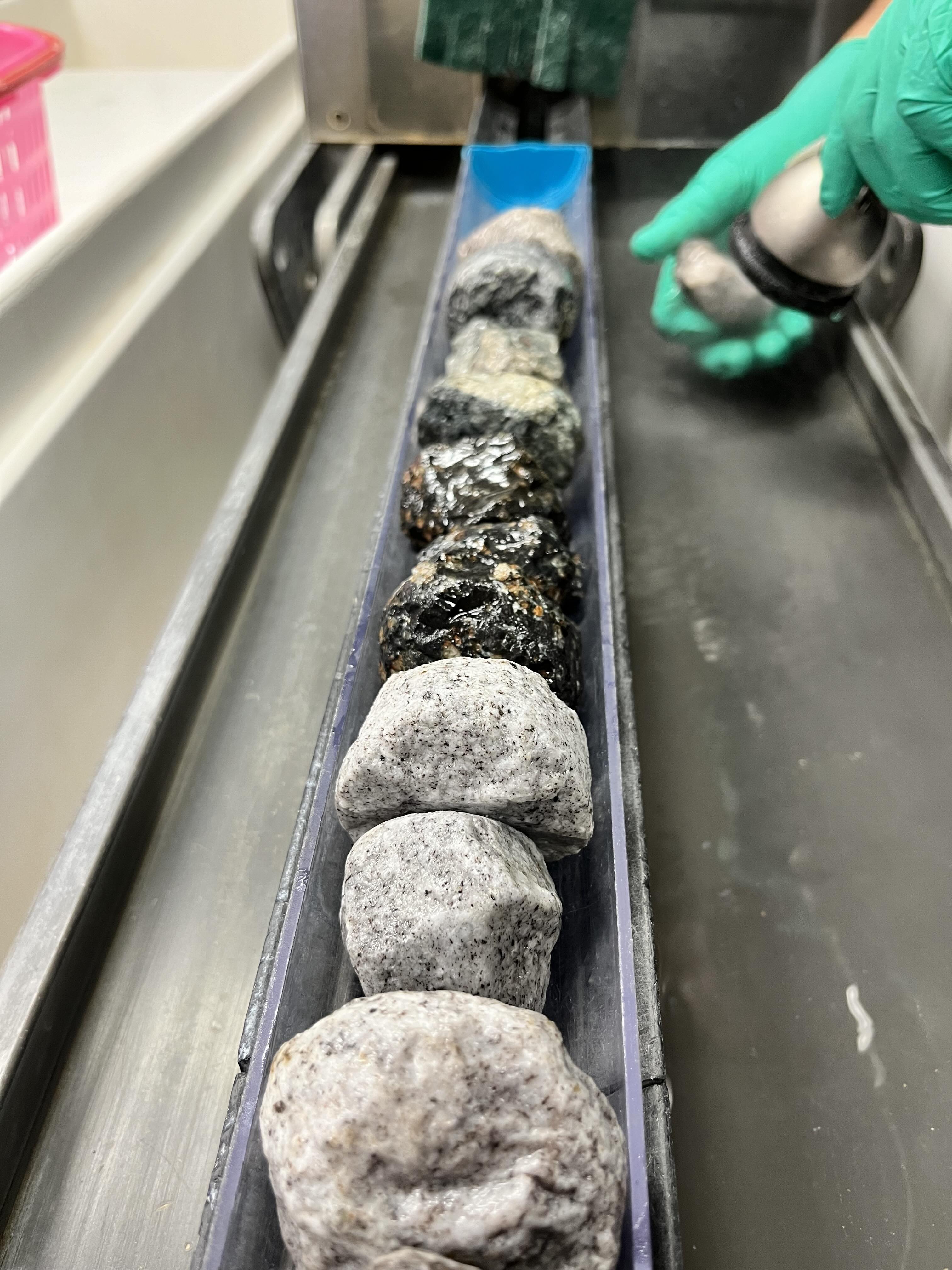
Scientists drilling beneath the Tyrrhenian Sea offshore Italy uncovered unexpected granite intrusions buried within Earth’s mantle, revealing new clues about how continents break apart and oceans begin to form. The study shows that these unusual rocks not only preserved a rare record of fault activity during the opening of a young ocean basin, but may also have helped keep the fault system active as deep mantle rocks rose toward the seafloor.
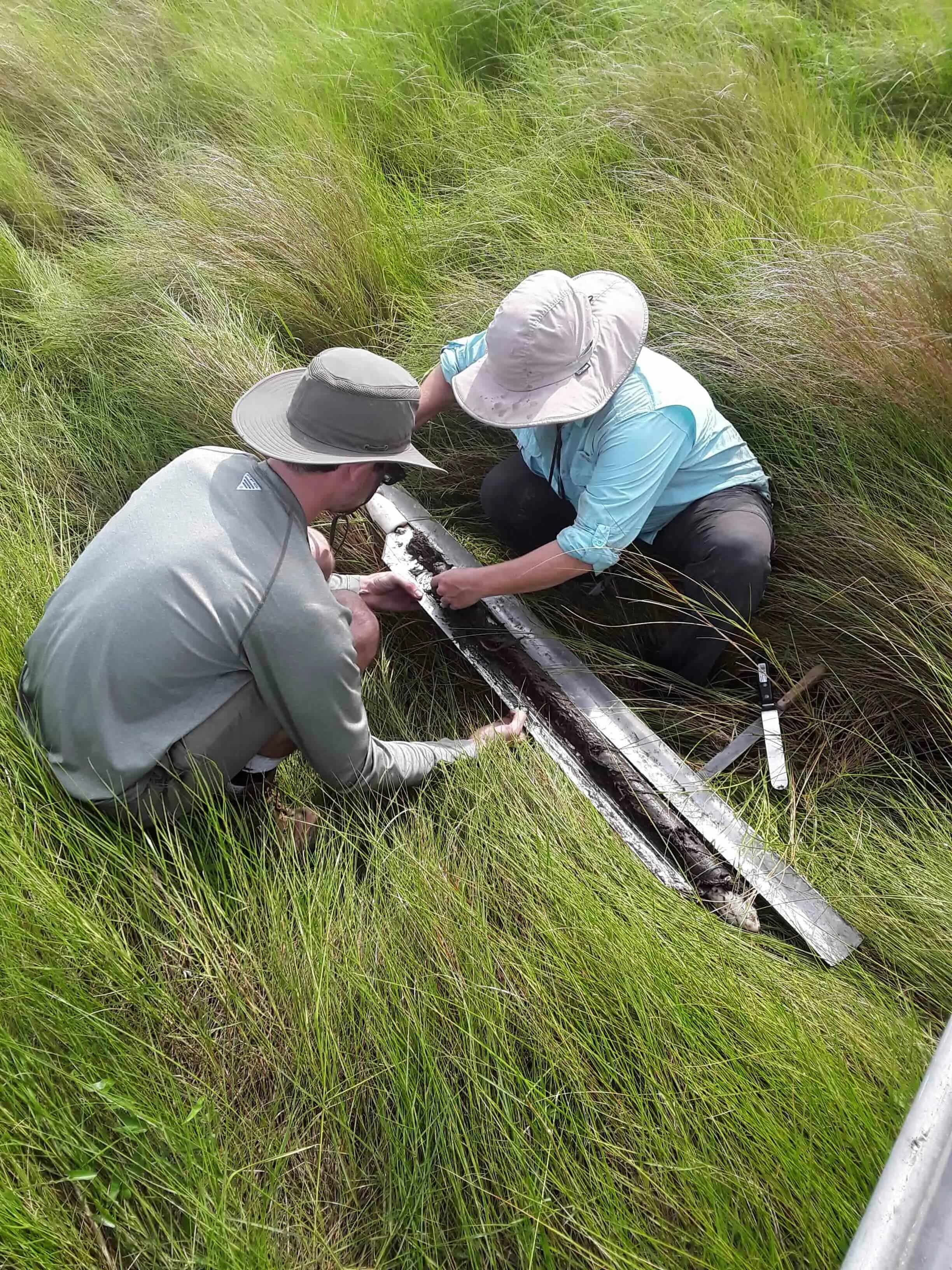
Louisiana’s coastline faces well-documented threats from sea-level rise, subsidence, and land loss. A 2024 study warned that up to 75% of wetlands could drown by 2070. New research from LSU-affiliated scientists adds nuance, showing that wetland loss varies by location. While some areas are deteriorating due to erosion, others can still build elevation when sediment is available. The findings highlight the need for site-specific restoration strategies, from marsh creation to sediment diversions, tailored to local conditions and processes shaping each landscape.